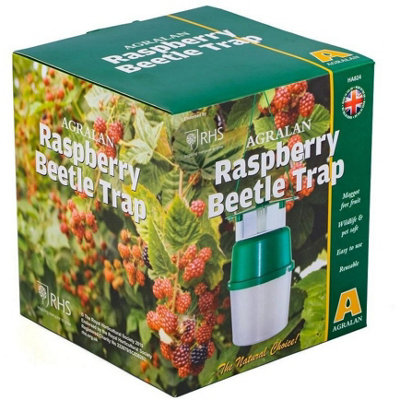
Gardening Naturally White Raspberry Beetle Trap For Raspberries, Blackberries And Loganberries - Refill
Gardening Naturally
The raspberry beetle trap is designed to detect raspberry beetle (Byturus tomentosus), a common pest that affects raspberries, blackberries and loganberries. This trap attracts and captures adult beetles before they can lay eggs in developing fruit, helping to reduce crop damage during the growing season. Raspberry Beetle Trap With Floral Attractant Lure The raspberry beetle trap uses a funnel design combined with a floral attractant lure to draw beetles as they emerge from the soil. The large off-white vanes act as a strong visual cue, imitating a raspberry flower and attracting beetles directly into the trap. This simple system helps protect crops by capturing the adult beetles early in the season. How The Raspberry Beetle Trap Works Adult beetles overwinter in the soil and appear from April to June. They feed on buds and pollen before laying eggs in flowers. The larvae then feed inside the developing fruit. Position the trap 1–1.5m above ground and set it up 4–6 weeks before flowering, between April and July. Each trap covers an area of up to 50 square metres. Replacement Lures For Raspberry Beetle Traps Each raspberry beetle trap includes an attractant lure that lasts approximately six weeks. For a full raspberry season, two lures are recommended. For later flowering crops such as loganberries or autumn-fruiting raspberries, a second lure should be used to maintain protection. Available Raspberry Beetle Trap Kits And Refills The traps are available in several pack options: Raspberry Beetle Trap – Includes 1 trap and 1 attractant lure Refill – Includes 1 attractant lure Trap And Refill – Includes 1 trap and 2 attractant lures Store unused lures in a cool, dry place away from sunlight. Keep them sealed in their original packaging until required. Unopened lures will last up to two years. Protecting Raspberries And Other Soft Fruit From Beetle Damage Using the raspberry beetle trap helps detect early infestations and reduce larvae inside developing fruit. By placing traps before flowering, you can intercept adult beetles before they lay eggs. This method is ideal for use in both home gardens and commercial soft fruit plots. When Should I Put Out The Raspberry Beetle Trap? Set up traps 4–6 weeks before flowering, typically from April to May, to catch adult beetles as they emerge from the soil. How Many Raspberry Beetle Traps Do I Need? Each trap protects an area of approximately 50 square metres. Larger gardens or allotments may need multiple traps for full coverage. Can The Trap Be Used For Other Soft Fruit? Yes, the trap is suitable for use with raspberries, blackberries and loganberries, all of which can be affected by the raspberry beetle. How Long Does The Attractant Lure Last? Each lure remains active for around six weeks. Replace it once per normal raspberry season or twice for longer cropping varieties. Where Should I Store The Lures When Not In Use? Keep lures sealed in their original packaging and store them in a cool, dry place away from direct sunlight and heat sources. How Does The Raspberry Beetle Trap Help Protect Crops? The trap reduces beetle populations by attracting and capturing adults before they can lay eggs, helping to prevent larvae from damaging developing fruit.
Compare prices (1 shop)
| shop | Price | Action |
|---|---|---|
| Gardening Naturally UK | 7,99 GBP | Go to shop |
Similar products
-

-

-
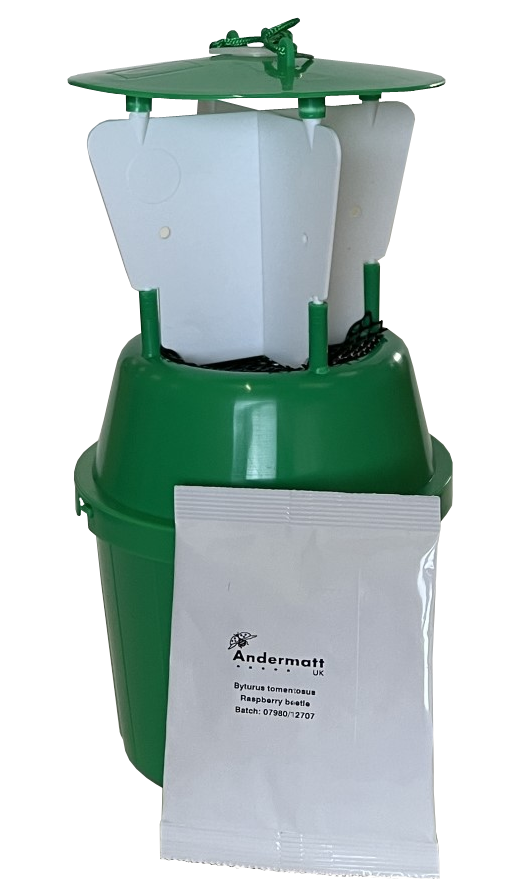
Raspberry Beetle Trap - Andermatt Home & Garden
From 22,00 EUR -

-
Agralan Raspberry Beetle Natural Pheromone Trap from B&Q
From 24,20 EUR -